
Hairline crack
Thin surface crack from seasonal movement. Fill, prime and repaint.
Free photo check · walls, ceilings, trim
Add a photo or two of the problem. Repair Check tells you what it most likely is, whether it's drywall or old plaster, how serious it is, and the exact steps a pro takes to make it disappear, plus anything you must fix first, like a leak.
Repair Check is a free photo tool from Fine Coat Painters for wall, ceiling and trim problems. Upload a photo of a crack, water stain, hole, nail pop or peeling paint and answer three questions. It shows the likely problem, whether the surface is drywall, plaster or wood, a four-level severity rating, how a professional fixes it, and what has to be dealt with first, such as a leak, mold or structural movement.
It's a first look, not an inspection, and it never shows prices.
Most of what homeowners photograph falls into a handful of types. The first question is always the cause: is it movement, water, or just age?
Thin surface crack from seasonal movement. Fill, prime and repaint.
Drywall tape lifting along a joint. Re-tape and feather wide.
Fastener pushed out as framing dried. Re-screw, fill, paint.
Settling or framing shrinkage. Check the door doesn't stick; mesh-tape repair.
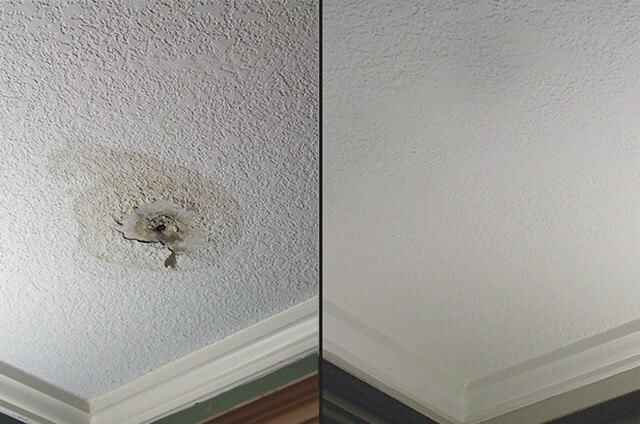
Leak, ice dam or condensation above. Fix the source, then stain-blocking primer.
Paint lost its grip, often from moisture. Scrape, find the cause, prime, repaint.
Typical in pre-1950 homes. Check plaster is tight to the lath, then mesh and skim.
Can fall. Keep people out from under it until it's secured.
Every result gets one of these ratings. Anything with water, mold or movement gets bumped up, because a patch over an active problem fails.
Fill, prime, paint. One visit.
Tape, mesh or skim coat first. Two to three visits while compound dries.
Leak, moisture or ongoing movement. Fix it, then repair.
Structural movement or sagging. An engineer or contractor looks first.

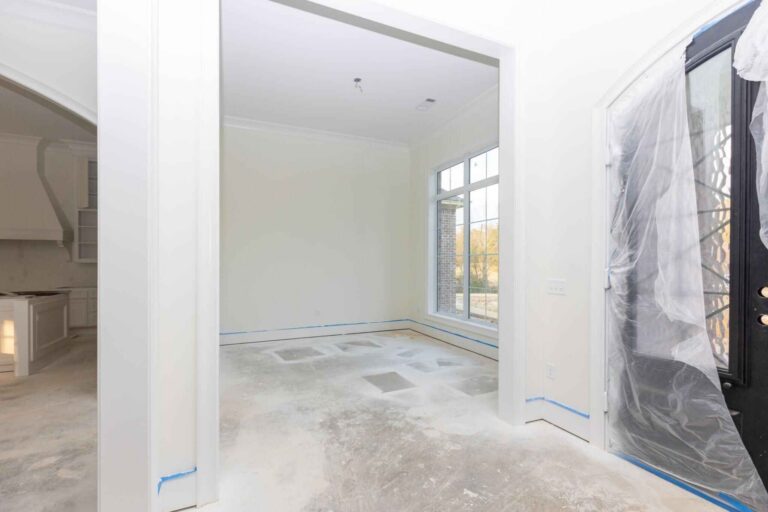
Cracks that show up every winter? Read why drywall cracks in winter. Ready for a fix? See our drywall repair service.
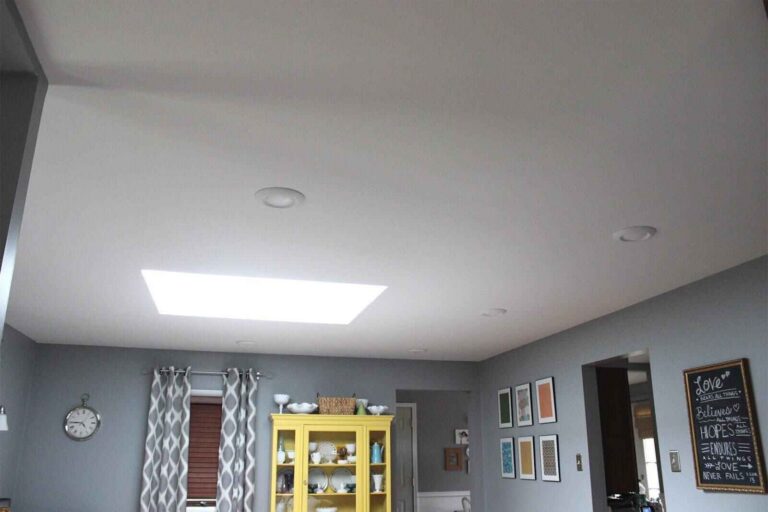
Thin, straight cracks along seams or corners are usually cosmetic. Take a closer look if a crack is wider than about 1/4 inch, zigzags like stairs, has one side higher than the other, keeps growing, comes with doors or windows that stick, or the ceiling sags. Those can mean movement that needs a contractor or structural engineer before any patch.
Plaster feels harder and colder, sounds solid when tapped and is common in homes built before about 1950; cracks often run in several directions. Drywall sounds hollower between studs, and its cracks tend to follow straight seams or show up as small round nail pops.
Not with regular paint alone. Fix the leak first, let the area dry and check the board is still firm, then seal the stain with a stain-blocking primer before painting, or it will bleed through again.
Fix the moisture problem first. The EPA says small areas (under about 10 square feet) can usually be cleaned by the homeowner; for larger areas, or mold caused by sewage or contaminated water, get a professional. EPA mold guide.
In homes built before 1978, old paint may contain lead. Federal rules require lead-safe work practices and a lead-safe certified firm when work disturbs more than 6 square feet of paint inside or 20 square feet outside. Avoid dry sanding old paint yourself. EPA RRP FAQ.
The patch has a different texture and absorbs paint differently, and fresh paint never matches aged paint exactly. A good repair is feathered wide, primed, and the whole wall or ceiling is repainted.
It is a first look, not an inspection. AI can misjudge size, depth and hidden damage. Clear photos in good light help, and a Fine Coat estimator can confirm it on a free visit.
They are stored securely so a Fine Coat estimator can follow up with you. They are never shared or sold, and we delete them whenever you ask.
Home Check turns your address into a full painting plan, including the prep your house's age usually needs.